Remembrance Sunday
The most prominent of these events is the National Service of Remembrance, held annually on Remembrance Sunday at the Cenotaph in Whitehall, London. This solemn ceremony sees the monarch, accompanied by senior members of the Royal Family, government ministers, military leaders, and veterans, gather to pay tribute to the fallen
On the second Sunday of each November, The King leads the nation in remembering those who have died in world wars and other conflicts. In a ceremony at the Cenotaph, the focal point of the nation's homage, Members of the Royal Family unite with others in thousands of similar ceremonies across the UK and worldwide in holding two minutes' of silence at 11am.
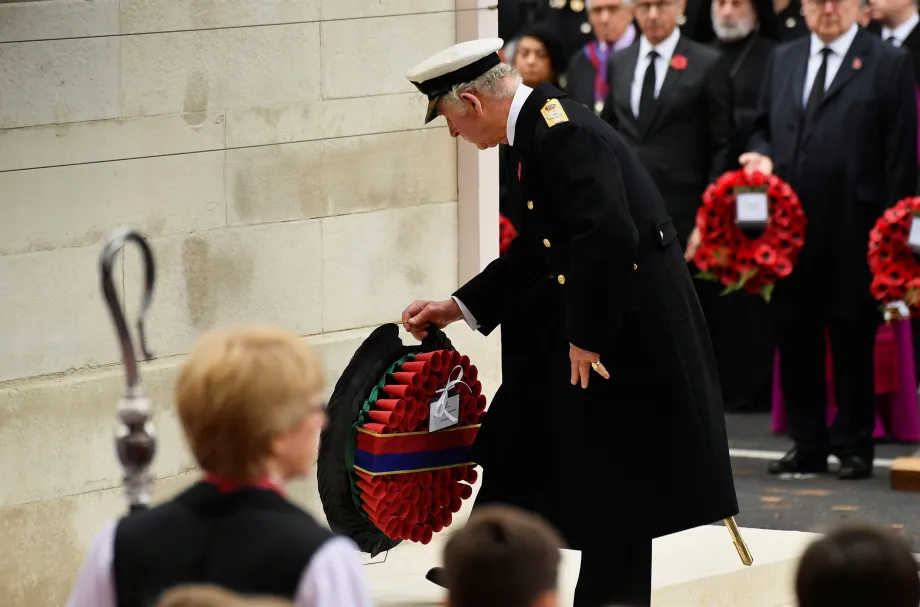
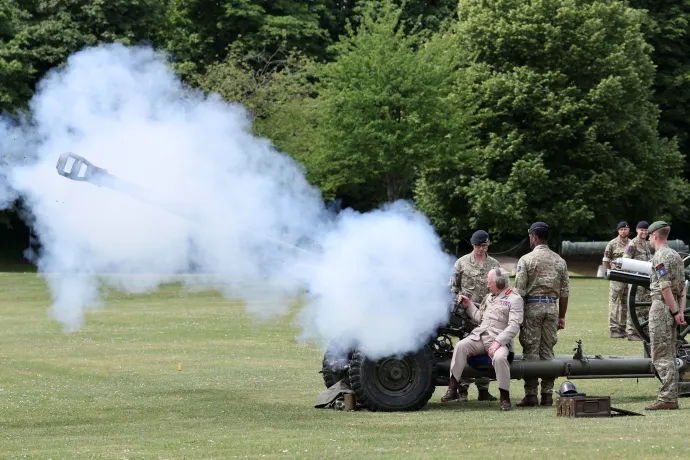
His Majesty and other Members of the Royal Family join political leaders, current and ex-members of the Armed Forces and World War veterans at the foot of the Cenotaph memorial. As the bells of Big Ben toll eleven, and a single gun on Horse Guards Parade is fired, two minutes of complete silence is held in remembrance of all lost in war. Once a further round of gunfire signifies the end of the silence, the bugle call 'The Last Post' is played. His Majesty and others, including High Commissioners from the Commonwealth, lay wreaths of poppies at the foot of the Cenotaph.
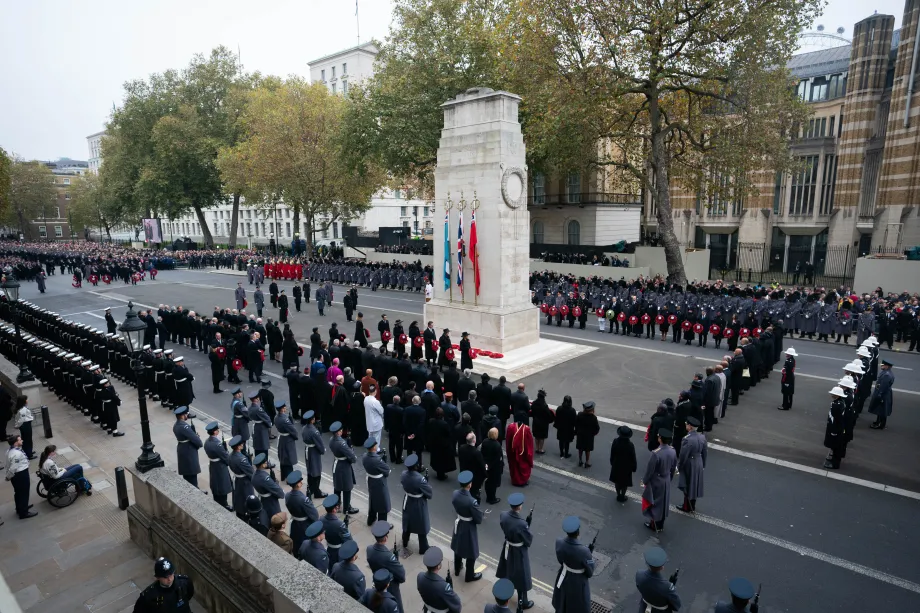
Designed by British architect Edwin Lutyens, the Cenotaph (meaning ‘empty tomb’) symbolises the unprecedented losses suffered during the First World War and has since become the National focal point of Remembrance. It was unveiled by King George V in 1920, and every Monarch since has continued to lay a Wreath on Remembrance Sunday.
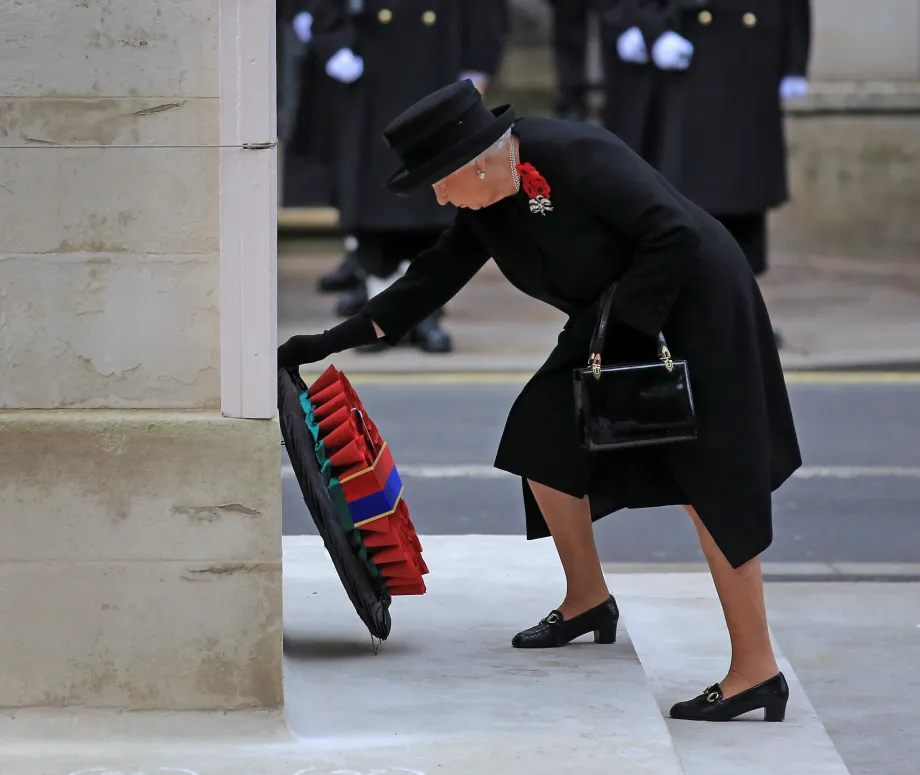
Her Majesty Queen Elizabeth laid a Wreath at the Cenotaph every year of Reign, until 2017 when she asked then The Prince of Wales, to lay a Wreath on her behalf.
After a short religious service and another bugle call ('The Rouse'), the National Anthem is sung and The King departs. War veterans then march in a slow procession past the Cenotaph to show their respects. A Member of the Royal Family takes the salute as the war veterans finish their route.
The Festival of Remembrance
The Royal Family's involvement in Remembrance extends well beyond this single ceremony, though. On the Saturday before Remembrance Sunday, members of the Royal Family attend the Festival of Remembrance at the Royal Albert Hall, an evening of music, military displays, and commemoration organised by the Royal British Legion.
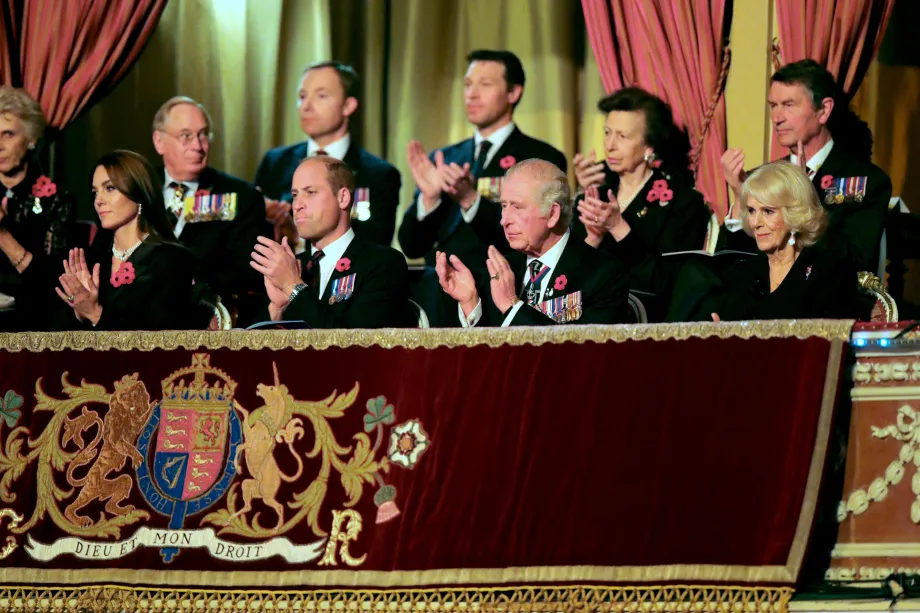
This moving event celebrates the lives of those who have served whilst raising vital funds for veterans and their families.
The Field of Remembrance
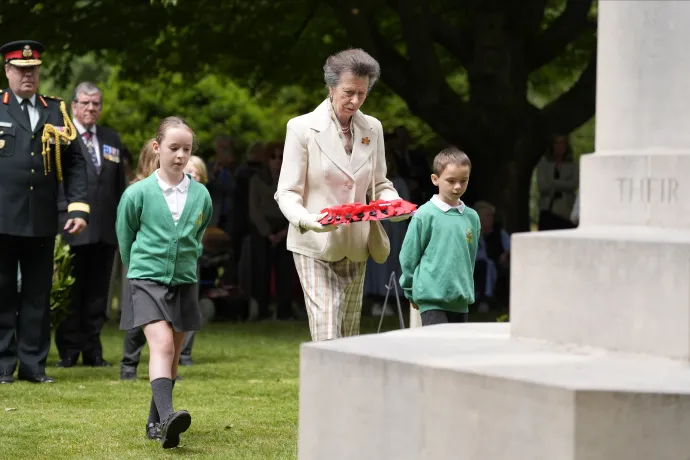
The opening of the Field of Remembrance at Westminster Abbey is another pillar of the nation's annual Remembrance commemorations.
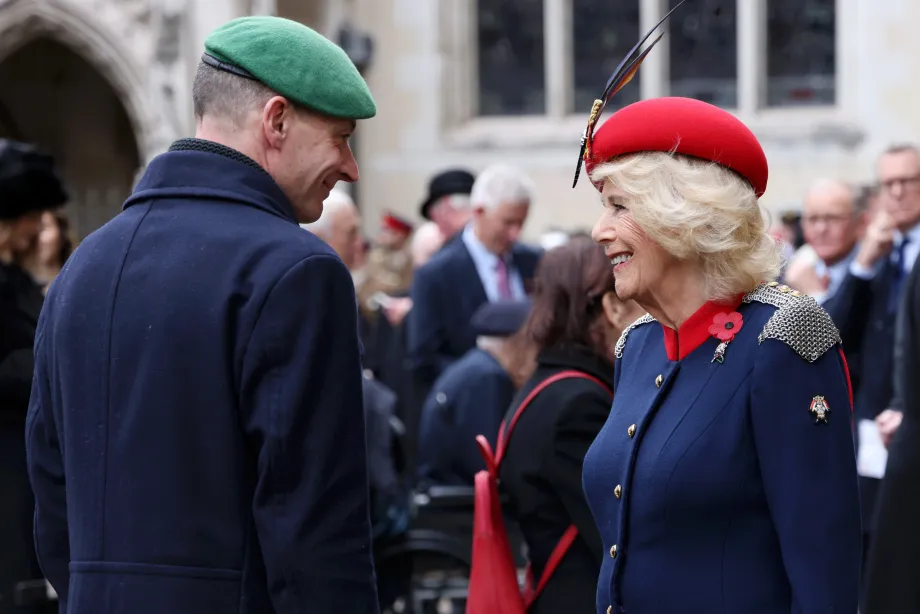
The Field is opened each year by a member of the Royal Family, transforming the grounds near the Abbey into a poignant sea of wooden crosses bearing poppies. Usually held on the Thursday before Remembrance Sunday, this ceremony marks the beginning of the nation's formal period of Remembrance, with each cross representing a personal act of commemoration for the fallen. The Royal presence at this opening underscores the Monarchy's enduring commitment to honouring those who have served, whilst also providing a deeply personal space for veterans, families, and service organisations to pay tribute to their loved ones.
Services on Armistice Day
On Armistice Day itself, 11 November, the service at the National Memorial Arboretum in Staffordshire is a reflective event, representing the nation's dedication to creating lasting spaces of remembrance. The Armed Forces Memorial at the site bears the names of those who have died in service since 1948, ensuring their sacrifice remains visible to future generations.
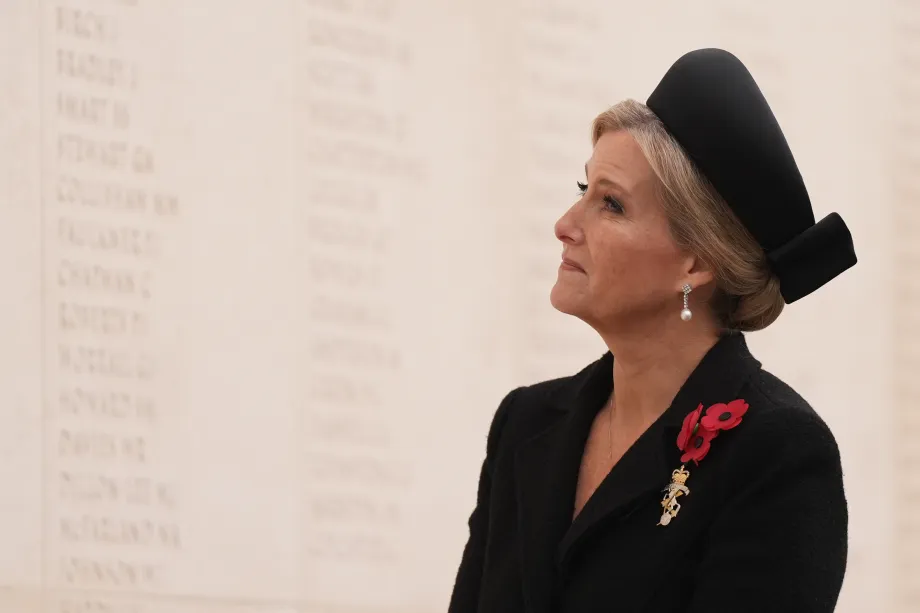
Together, these events demonstrate how royal participation in remembrance activities extends beyond the well-known Cenotaph service on Remembrance Sunday. They reinforce the continuity of remembrance across different locations and communities, with the Royal Family serving as a unifying presence that connects the nation in collective gratitude and solemn reflection.
Remembrance throughout the year
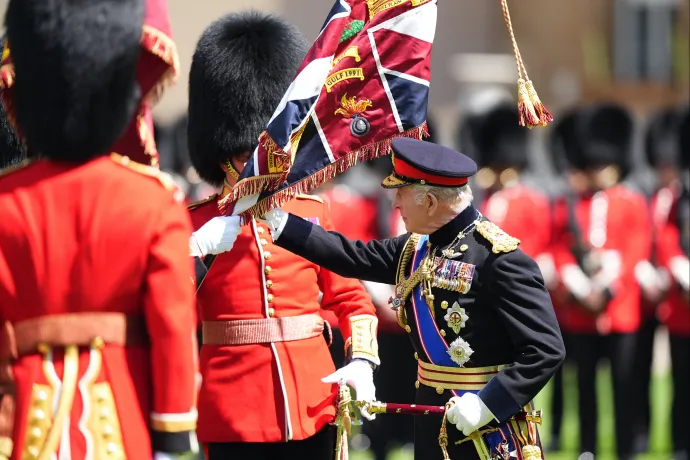
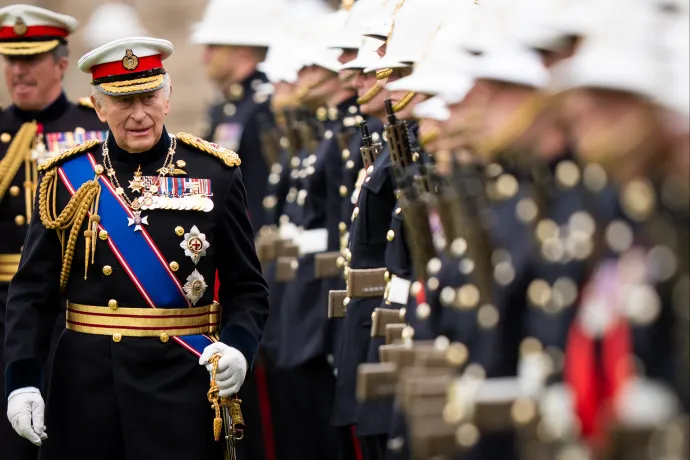
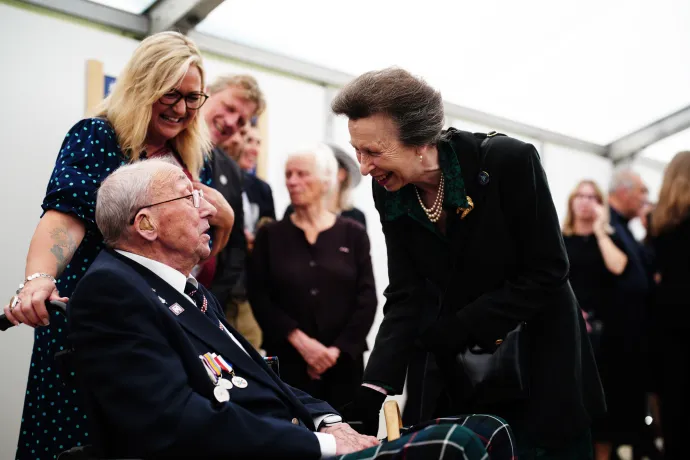
Royal Remembrance is not confined to November alone. Throughout the year, members of the Royal Family participate in commemorative events marking significant anniversaries and battles. These range from intimate services at regimental chapels to large-scale national commemorations. The Royal Family also attends events on key dates such as Armed Forces Day in June, which celebrates serving personnel, and VE Day and VJ Day anniversaries, which mark the end of the Second World War in Europe and Japan respectively.
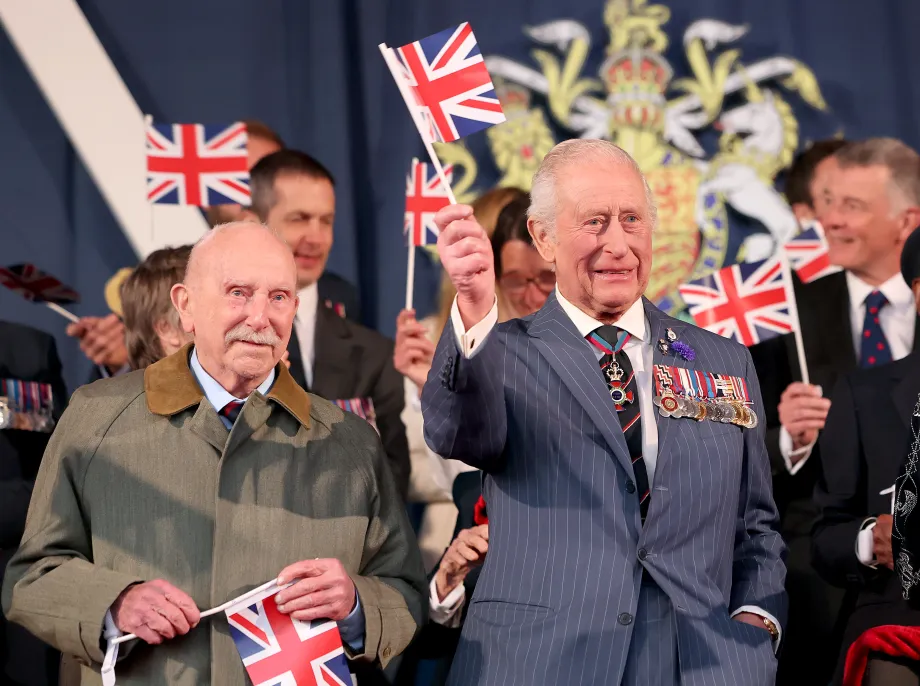
The tradition of Royal remembrance has deep historical roots. Since the First World War, the monarchy has played a central role in the nation's acts of commemoration, with successive sovereigns establishing remembrance as a cornerstone of national life. The iconic red poppy, worn by members of the Royal Family and millions of others each November, symbolises both remembrance and hope, inspired by the war poem "In Flanders Fields".
For many members of the public, Royal remembrance events provide an opportunity to connect with their own family histories and to ensure that the sacrifice of previous generations is never forgotten. Local communities hold their own remembrance services at war memorials across the country, often attended by local dignitaries and veterans, echoing the national ceremony in Whitehall.
The Royal Family's continued dedication to remembrance demonstrates the enduring importance of honouring those who have served. These events remind us all of the debt we owe to those who fought for our freedom and the importance of working towards peace. Whether attending a local service or watching the national ceremony, the public's participation in remembrance remains a powerful expression of collective gratitude and respect.